How to Make a Type Beat That Artists Actually Want to Rap On
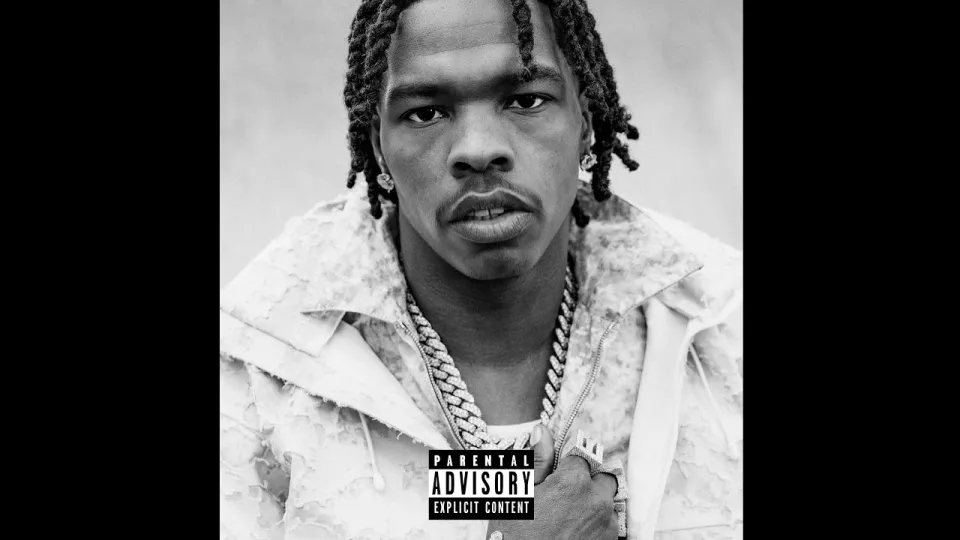
Video: TRAP TYPE BEAT - "TENSION" | FREESTYLE BEAT | HARD TYPE BEAT | FREE RAP INSTRUMENTAL 2026
Need articles like this for your video? They help promote it on YouTube and Google — order them in the Telegram bot @sat_sit_bot. Articles with your video embedded are written and posted by the bot itself — on popular topical sites (no ads). Your first 50 articles are free.
· based on the channel STORM
Key takeaways
- A type beat is an original instrumental built in the style of a specific artist, subgenre, or mood — not a copy of a copyrighted song.
- STORM's "TENSION" is a free trap type beat for non-profit use; the untagged, for-profit license is sold through BeatStars.
- The free tagged version can be used on YouTube or SoundCloud without monetization, but not on Spotify or Apple Music.
- STORM runs a buy-one-get-one-free offer on all beats in the store.
- Tempo, key, and arrangement space for a vocal matter more than the number of layers in the beat.
A type beat is an original instrumental made in the style, tempo, and mood associated with a specific artist or subgenre, so rappers can find a track that fits the lane they already write in. If you want to make one that gets used, start with a clear mood, leave room for a vocal, and license it correctly — the untagged, for-profit license for STORM's hard trap type beat "TENSION" is available at the BeatStars purchase link. The free tagged download is for subscribers and non-profit use only.
What a type beat actually is and why the search term matters
A type beat is a search-friendly label for an original instrumental that signals its style to a rapper before they press play. Producers tag beats with phrases like "trap type beat," "hard type beat," or "freestyle beat" so that an artist searching for a specific sound lands on the right file. The beat itself is still your original composition: you are referencing a genre or a vibe, not reproducing a copyrighted record. That distinction is what keeps the model legal and what makes store listings like STORM's BeatStars page work.
The term also sets expectations. A "free type beat" usually means a tagged MP3 you can download for practice or non-monetized uploads, while a "hard type beat" describes the energy — dark keys, heavy 808s, aggressive drums. When a rapper searches for a "freestyle type beat," they want a loop that is easy to ride without a complicated switch-up every four bars. Knowing which phrase your beat honestly fits is the first step toward getting it placed.
How to make a type beat in six working steps
Making a type beat is a repeatable process: choose a lane, set the tempo, build the core loop, arrange for a vocal, mix for clarity, and export the right files. Each step below is a decision you can make in one session.
- Pick one lane and one reference mood. Decide whether you are making a hard trap beat, a melodic freestyle beat, or a dark drill-adjacent track. Write the lane down before you open your DAW so every sound choice supports it.
- Set tempo and key first. Trap usually sits around 130–150 BPM with hi-hats programmed in double-time, but the number matters less than how the 808 and the vocal pocket feel. Choose a minor key for tension and a major key for a brighter, radio-leaning record.
- Build the core loop in eight bars. Start with the melody or the 808 pattern, not both at once. A strong type beat often has one memorable motif that repeats; the arrangement creates the variation, not a new melody every section.
- Arrange with a vocalist in mind. Leave the mid-range relatively open between roughly 500 Hz and 2 kHz so a rapper's voice sits without fighting the melody. Intro, verse, hook, verse, hook is a reliable skeleton.
- Mix for translation. Check the beat on phone speakers, laptop speakers, and headphones. If the 808 disappears on small speakers, add a touch of saturation or a higher harmonic so the bass is felt even when it cannot be reproduced.
- Export the right deliverables. Bounce a tagged MP3 for the free version, an untagged WAV and MP3 for the paid license, and keep the stems available in case the artist or an engineer asks.
What makes a hard type beat feel hard
A hard type beat earns that label through contrast and space, not through sheer loudness. Producers often build hardness with a sparse, minor-key melody, a punchy kick, and 808s that glide between notes rather than sitting on one pitch. The drums carry the aggression; the melody carries the tension. If every element is loud and busy, the vocal has nowhere to sit and the track feels cluttered instead of heavy.
STORM's "TENSION" is a useful reference point for this approach: it is filed as a trap type beat, a freestyle beat, and a hard type beat, which tells you the intended use is a rapper writing aggressive or moody bars over a loop that leaves room. The comment section on the upload reflects that — listeners describe the atmosphere as strong and distinctive, which is exactly the reaction a hard beat should get before a single vocal is recorded. Atmosphere is a production choice: reverb tails, filtered transitions, and one or two signature sounds repeated with intent.
Licensing a free type beat without getting it wrong
A free type beat is free under specific conditions, and those conditions are the whole deal. On STORM's release, the tagged free download is available to subscribers for non-profit use only: YouTube or SoundCloud uploads with no monetization. The free version is not cleared for streaming services such as Spotify or Apple Music, and it is not cleared for profit. If a song built on the free version starts earning money, the artist needs the untagged license.
The paid, untagged version is sold through BeatStars, and STORM's store runs a buy-one-get-one-free offer on all beats, which effectively doubles the value of a single purchase. When you license a beat, read the terms for the number of distribution channels, the streaming revenue split, and whether stems are included. Keep the receipt and the license file with the project; distributors and content-ID systems may ask for proof of rights. If you are the producer, state these terms plainly in the description so artists do not have to guess.
How to get your type beat heard by rappers
Getting a type beat heard is a distribution problem before it is a music problem. The standard playbook is to upload consistently, title each beat with the exact phrases artists search for, and link a store where they can buy the untagged file in one click. A clear title, a working purchase link, and a free tagged option lower the friction between a listener and a recording session.
- Title with the phrases people actually type: trap type beat, hard type beat, freestyle type beat, and the artist or subgenre you are targeting.
- Put the purchase link first in the description and repeat it in a pinned comment.
- Offer a tagged free download for non-profit use so artists can try before they buy.
- Upload on a schedule you can sustain; a catalog of 30–50 beats gives a rapper a reason to browse.
- Reply to comments. The questions artists ask in your comment section are free market research about tempo, mood, and pricing.
Common questions producers and rappers ask about type beats
Producers and rappers tend to hit the same few uncertainties: whether a free beat is really free, whether a beat needs vocals to be judged, and whether a type beat can be original. The honest answers come down to the license text and the arrangement.
A free type beat is a promotional version, not a rights transfer. It exists so an artist can test the fit; the paid license is what allows monetization and streaming distribution. A beat does not need vocals to be evaluated, but it should be tested with a scratch vocal or even a spoken count to confirm the pocket. And a type beat is original by definition — you are writing new music in a recognizable style, which is why producers can sell licenses to multiple artists while keeping the copyright.
Useful links
- Untagged, for-profit license and purchase: https://bsta.rs/7G7Oj
- STORM's instant beat store: https://www.beatstars.com/stormbeatzz/
- STORM on BeatStars: https://www.beatstars.com/stormbeatzz
The bottom line on making a type beat
A type beat works when it has a clear identity, a tempo and key that fit a vocal, and a license that tells the artist exactly what they are buying. STORM's "TENSION" demonstrates the formula: a hard trap instrumental labeled for freestyle use, offered as a tagged free download for non-profit uploads and as an untagged paid license for release. If you want to write over it, grab the untagged, for-profit license at https://bsta.rs/7G7Oj and check the rest of the catalog at https://www.beatstars.com/stormbeatzz/. The channel STORM built this breakdown around is a working example of how a producer turns a single beat into a repeatable storefront. Study the titles, the terms, and the arrangement — then make your own.
Questions & answers
Can I use a free type beat on Spotify or Apple Music?
Usually no. On STORM's release, the free tagged version is for non-profit use only — YouTube or SoundCloud without monetization — and is explicitly not available for streaming services such as Spotify or Apple Music. To distribute a song on streaming platforms, you need the untagged, for-profit license.
What does 'type beat' mean if the beat is original?
It means the instrumental is written in the style, tempo, and mood associated with a specific artist or subgenre, so rappers can find a fitting track quickly. The composition and the copyright belong to the producer; the label describes the lane, not a copy of an existing song.
How do I know if a hard type beat will fit my vocals?
Record a scratch vocal over the full beat and listen for whether the melody and 808s leave space in the mid-range. If your voice fights the lead sound, ask the producer for a version with the melody lowered or try a different key. A beat that feels hard on its own can still be too busy for a vocal.
Is a buy-one-get-one-free offer on beats worth it?
It can be, if you already know you will record more than one song. STORM's store runs a buy-one-get-one-free offer on all beats, which lowers the effective price per license. Check the license terms for each beat first — the number of distribution channels and the revenue split matter more than the discount.
Source: TRAP TYPE BEAT - "TENSION" | FREESTYLE BEAT | HARD TYPE BEAT | FREE RAP INSTRUMENTAL 2026 · Markdown version